
How to Get a Pet Tarantula and Convince Your Parents: A Case for the Brachypelma hamorii (Mexican Red-Knee)
Let’s be honest: the phrase “pet tarantula” can trigger a visceral, knee-jerk reaction in even the most open-minded parent, rooted in a lifetime of cinematic fear and cultural misunderstanding. This guide isn’t about arguing; it’s about educating and presenting an irrefutable case. We’ll use one of the most ambassador-worthy species as our prime example. I’ve spent years presenting my calm, eight-legged housemates to skeptical friends and family, and the transformation from apprehension to awe is one of the most rewarding parts of this hobby.
Quick Stats: Brachypelma hamorii
- Origin: Pacific coast of Mexico
- Type: New World, Terrestrial
- Growth Rate: Glacial (Takes 7-10+ years to reach maturity)
This roadmap will equip you with the knowledge and practical steps to not only care for a tarantula responsibly but to convincingly demonstrate that this is a hobby built on quiet observation, profound respect, and meticulous science, not thrills.
1. Understanding the Benefits of a Tarantula Pet
Owning a tarantula offers a unique pet-keeping experience centered on quiet observation rather than active interaction. The profound silence of the enclosure, broken only by the faint scratch of legs on substrate, provides a calming contrast to noisy traditional pets. You learn responsibility through consistent, gentle stewardship of a creature that thrives on predictability and minimal disturbance.
- Quiet: They produce no vocal sounds, making them perfect for apartments or shared living spaces where noise is a concern.
- Low Maintenance: Adult tarantulas may eat only once a week, require spot cleaning rather than daily walks, and need no grooming.
- Fascinating to Observe: From the iridescent sheen of a carapace to the patient, deliberate movements during a hunt, their behaviors are a window into invertebrate life.
- Teaches Responsibility: Care focuses on creating a stable environment-monitoring humidity, providing fresh water-which builds attentive, routine-based discipline.
Compare this to a dog or cat. A tarantula’s space needs are minimal, often satisfied by a well-setup 10-gallon tank or a specialized terrarium, unlike the roaming room required for a puppy. Initial costs for enclosure and spider are typically a one-time investment far lower than vaccinations and spaying for a mammal. Daily care involves checking the water dish and perhaps offering a cricket, not hours of walking, play, or training.
2. Debunking Common Tarantula Myths for Parents
A primary fear is venom danger. For most common pet species like the Chilean Rose Hair (Grammostola rosea), the venom is medically insignificant to humans, often compared to a mild bee sting. The “Look, Don’t Touch” philosophy we advocate eliminates bite risk entirely, prioritizing the spider’s well-being over handling.
Another concern is urticating hairs. New World species like my Burgundy Goliath (Theraphosa stirmi) possess these specialized bristles they kick when threatened, which can irritate skin and eyes. This is a defensive mechanism, not an attack. Simple precautions like wearing gloves during enclosure maintenance and avoiding leaning over the tank when it’s open mitigate this completely.
Escape fears are valid but easily managed. From personal experience, a secure, locking lid and careful rehousing procedures make escapes preventable incidents, not inevitable disasters. I’ve rehoused my defensive OBT (Pterinochilus murinus), “Flash,” without incident by using clear tubes and a calm, methodical approach.
- Myth: All tarantulas are aggressive. Reality: Temperament varies by species. My 15-year-old “Rosie” is a docile ‘pet rock,’ while “Flash” is a reclusive webber. Both are safely observed behind glass.
- Myth: They are dirty or carry disease. Reality: In a clean enclosure, they are fastidious groomers. They do not transmit diseases to humans like mammals can.
- Myth: They need complex, expensive care. Reality: Basic needs are simple: appropriate substrate, a water dish, and a hide. My Goliath needs high humidity (80-85%), which I maintain with damp substrate and a large water bowl, but many species thrive at room humidity.
Understanding these facts transforms perceived risks into manageable routines. Respectful care that avoids handling keeps both the spider stress-free and the keeper safe, allowing everyone to appreciate their quiet beauty.
3. Researching and Presenting Tarantula Care Basics
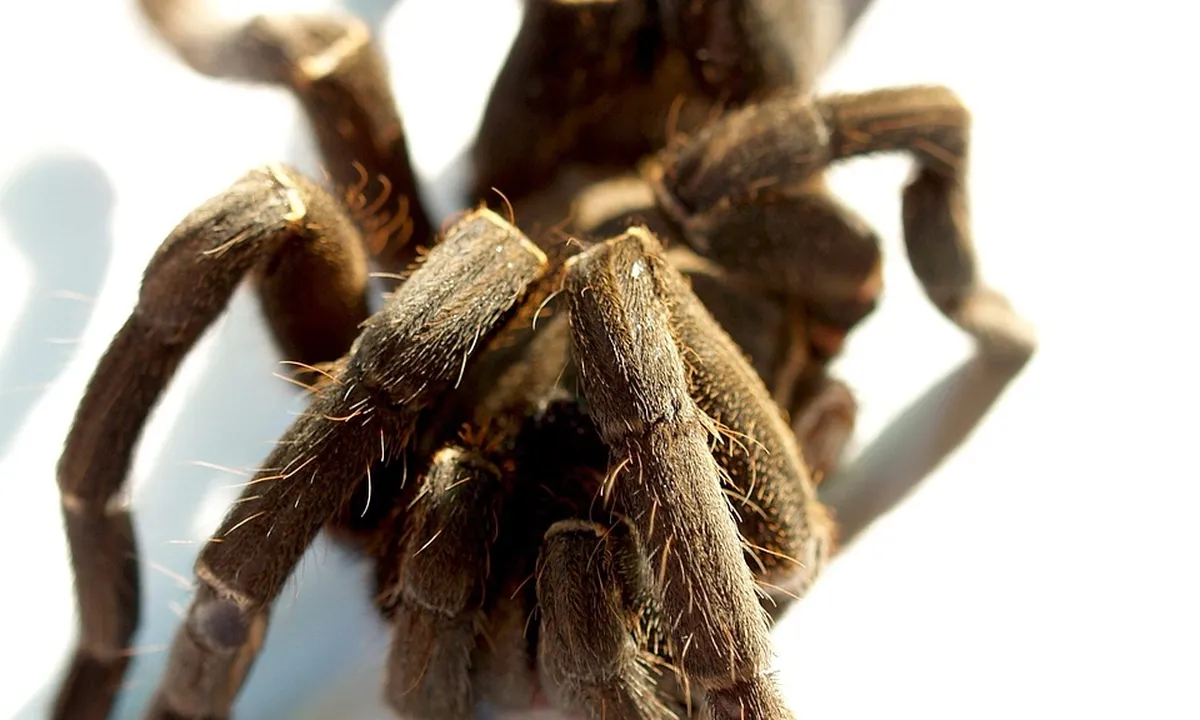
Mastering tarantula care before you ask your parents shows maturity and planning. Presenting clear, factual husbandry data transforms a nervous question into a confident proposal.
Essential Husbandry Requirements
Tarantula needs are minimal but non-negotiable. A proper setup prevents stress, which is the root of most health and escape issues. Common issues—dehydration, moulting problems, and infections—are preventable with a proper setup. Regular checks and stable conditions help prevent them.
- Enclosure Size and Type: Match the tank to the species’ lifestyle. My terrestrial Grammostola rosea, Rosie, lives contentedly in a 10-gallon tank that’s wider than it is tall. For an agile, web-building arboreal like my Pterinochilus murinus, Flash, a tall terrarium with anchor points is mandatory. Secure all lids with clips.
- Substrate: This is the foundation of your tarantula’s world. Use a deep layer of chemical-free material. I use coco fiber for almost all my tarantulas; it retains humidity for my moisture-loving Theraphosa stirmi, Goliath, and packs firmly for burrowers. Depth should allow for complete burial.
- Humidity: Species-specific percentages are critical. Desert dwellers like G. rosea need a dry setup with a water dish. Tropical giants like T. stirmi require 70-80% humidity, achieved by moistening the lower substrate layers, not just misting. I use a digital hygrometer to monitor Goliath’s enclosure daily.
- Temperature: Room temperature is perfect. Maintain an ambient range of 70-78°F (21-26°C). I avoid heat mats or lamps placed under or on the enclosure, as they can cause fatal dehydration or burns. A small room heater is a safer choice for cooler spaces.
Design every element for the tarantula’s security. Multiple hides and a clutter-free floor minimize panic and encourage natural behavior, making your pet a calm display animal.
The Realities of Feeding and Maintenance
Their routine is surprisingly hands-off. Understanding their cyclical habits, like fasting, proves you’re ready for the long-term commitment.
- Feeding Schedules and Prey Types: Tarantulas are obligate carnivores. I feed my adult tarantulas one or two appropriately-sized crickets or dubia roaches every 10-14 days. Prey should be no larger than the spider’s abdomen. I always use long tongs to avoid startling the tarantula or getting flicked with urticating hairs.
- Molting and Fasting Periods: Ecdysis, or molting, is a vulnerable, energy-intensive process. Spiders often refuse food for weeks before and after. My Rosie, a Chilean Rose Hair, is famous for hunger strikes lasting over six months. During this time, I ensure her water dish is full and I do not disturb her at all.
- Simple Weekly Maintenance Checklist:
- Refresh the water dish with dechlorinated water.
- Remove any uneaten prey items or boluses (leftover insect parts).
- Check enclosure security and integrity of lids or vents.
- Observe your tarantula’s posture and position for signs of premolt or distress.
This routine takes minutes. Consistent, quiet observation is far more valuable than frequent interaction.
4. Creating a Detailed Care Budget and Plan
A clear financial plan alleviates parental concerns about hidden costs. Tarantulas are incredibly affordable pets after the initial investment. For beginners, a budget breakdown for owning a tarantula helps plan for enclosure, substrate, heat, and ongoing feeding. This budgeting step keeps costs predictable.
Initial Setup Costs
These are one-time purchases for a proper habitat. Investing in secure, appropriate equipment from the start prevents costly escapes or health crises.
- Essential Items:
- Enclosure: A suitable plastic or glass terrarium with a secure, ventilated lid. Cost: $25 – $60.
- Substrate: One brick of compressed coco fiber or similar. Cost: $5 – $15.
- Hide: A cork bark flat or round. Cost: $8 – $20.
- Water Dish: A shallow, sturdy ceramic dish or bottle cap. Cost: $0 – $5.
- Optional but Recommended Items:
- Digital Thermometer/Hygrometer: For precise environment tracking. Cost: $10 – $25.
- Long Feeding Tongs: For safe distance maintenance. Cost: $5 – $12.
- Decorative Elements: Plastic plants or branches for enrichment. Cost: $5 – $15.
- Realistic Price Ranges: A complete, responsible setup for a beginner terrestrial tarantula typically costs between $70 and $150. This is a one-time fee for years of use.
Ongoing Monthly and Annual Costs
Recurring expenses are minimal. Budgeting for these small items demonstrates financial foresight to your family.
- Food Costs: A monthly supply of feeder insects like crickets or roaches. Cost: $5 – $10 per month. I culture my own dubia roaches to reduce this to almost nothing.
- Substrate Changes and Replacements: Plan to fully replace the substrate once or twice a year to maintain hygiene. Cost: $10 – $20 annually.
- Veterinary Care Contingency: While rarely needed, having a small fund for an exotic vet visit is prudent. A consultation can range from $80 to $150. This is a wise part of any pet budget.
The annual cost for one tarantula is often less than a single video game. To understand the total investment, include initial setup and ongoing expenses such as enclosure, substrate, humidity control, and food. This low financial footprint is a powerful point in your presentation.
5. Choosing the Right Beginner Tarantula Species
Your first choice is the most important one. A suitable beginner species forgives minor husbandry mistakes and builds your confidence. An unsuitable one can end in a stressed animal and a scared keeper.
The best starter tarantulas are slow-moving, reluctant to bite, and hardy enough to tolerate a range of conditions. For many people, these traits make them ideal for beginner pet owners. Are these the best tarantula species for someone new to keeping arachnids?
Top Recommendations for a First Tarantula
- Chilean Rose Hair (Grammostola rosea/porteri): My Rosie, a 15-year veteran of my collection, embodies this species. They are incredibly docile and famously low-maintenance. Expect a “pet rock” that may refuse food for months without issue. Their dusty pink coloration is subtle but beautiful.
- Curly Hair Tarantula (Tliltocatl albopilosus): A more active and engaging choice than the Rose Hair. They are gentle, dig impressive burrows, and have a wonderful, fuzzy appearance. Their feeding response is usually enthusiastic, which is very rewarding to watch.
- Mexican Red Knee (Brachypelma hamorii): The classic, iconic tarantula. Their striking black and orange coloration is unforgettable. They are typically calm but can be quicker to flick urticating hairs than the first two species. They grow slowly, offering a long-term journey.
- Brazilian Black (Grammostola pulchra): A jet-black, velvety treasure. They are known for their calm demeanor and robust health. They require slightly more consistent moisture than a Rose Hair but are still very forgiving. This species is a confident, beautiful choice.
Species to Avoid as a Beginner
My tarantula Flash, an Orange Bitey Thing (Pterinochilus murinus), is the perfect example of what not to start with. Old World tarantulas from Africa and Asia, like the OBT, possess potent venom and defensive speeds that make them unsuitable for novices. When people ask which tarantula species are considered the most venomous or deadliest, Old World species are often cited in that context. However, envenomation remains rare and bites are usually manageable with proper care.
- Why they are advanced: Their threat response is often a lightning-fast bite, not a hair flick. Flash can turn his entire enclosure into a silk fortress in days. Rehousing them is a high-stress event for both keeper and spider.
- Other examples: Any Poecilotheria (Ornamental tarantulas), Heteroscodra maculata (Togo Starburst), and Stromatopelma calceatum (Featherleg Baboon) fall into this category. Admire them from afar online or at expos until you have years of experience.
Understanding Lifespan, Growth, and Size
This is a decades-long commitment, especially with females. A female beginner species can easily live 15-25 years, as my Rosie proves. Males live far shorter lives, often 3-7 years after maturing.
- Growth Rate: North American species like Red Knees grow painfully slow. You might have a 2-inch spider for two years. South American species like Curly Hairs grow at a more moderate, satisfying pace.
- Final Size: Beginner species typically have a legspan of 5 to 6 inches. Compare this to my Goliath Bird Eater (Theraphosa stirmi), which can exceed 10 inches-a massive undertaking in space and food requirements.
6. Addressing Specific Parental Concerns Head-On
Safety and Escape Prevention
This is the number one worry, and rightly so. A loose tarantula is a terrified tarantula, and it risks injury. Your entire strategy must be proactive. When it comes to handling tarantulas, safety is key. For beginners, it’s safest to handle only under supervision or to focus on observation rather than handling.
Secure housing starts with a properly fitting lid, ideally one that clips or locks on. Standard aquarium lids often have gaps; use weatherstripping to seal them. For plastic enclosures, ensure the lid snaps securely on all sides.
Rehousing-moving the spider to a new enclosure-is the riskiest moment. Do it in a bathtub or a large, smooth-sided bin to contain any falls or sudden sprints. I once had a close call with my Goliath during a rehouse; his sheer power pushed against my guiding paintbrush, reminding me that even “slow” species are strong. Move slowly, use long tools, and have a catch cup ready.
Long-Term Commitment and Responsibility
Tarantulas are not a short-term pet. Getting a tarantula is a promise of care that will likely last from your middle school years into your adulthood. For families wondering if tarantulas make good pets for children, they can be a gentle introduction to responsibility with steady, low-maintenance care. They teach patience and respect for living creatures without demanding constant attention. My Rosie has been with me through high school, college, and into my career.
Demonstrate your readiness by taking on specific, related household chores without being asked. This shows foresight and discipline.
- Weekly: Volunteer to take out all recycling and trash. This parallels the routine of removing leftover feeder insects and boluses from an enclosure.
- Monthly: Deep clean a family bathroom, including sanitizing surfaces. This mirrors the thorough, careful cleaning a tarantula enclosure needs during a full substrate change.
- Ongoing: Be solely responsible for caring for any existing family pets for one month-feeding, watering, cleaning. This proves you understand that life depends on your consistent action.
7. Building Your Persuasive Presentation
This is where your homework transforms into a compelling case. A persuasive presentation isn’t about arguing; it’s about demonstrating mature, thorough planning. Your goal is to show you have moved beyond a simple want and into the realm of responsible planning.
-
Step 1: Compile your researched care sheet and budget.
Create a single, neat document. For the care sheet, distill your research into clear sections: ideal enclosure size, specific temperature and humidity ranges, substrate type, and feeding schedule. For the budget, list every startup cost-enclosure, substrate, hide, water dish, decor, the spider itself-and ongoing costs like feeder insects. Presenting a tangible budget shows you understand this is a real financial commitment, not a passing whim. Mention that my fifteen-year-old Rosie has required very little ongoing cost after her initial setup, highlighting their long-term value.
-
Step 2: Propose a visit to a reputable breeder or expo to see tarantulas in person.
The idea of a tarantula is often scarier than the reality. Suggest a family trip to a reptile expo or a local breeder’s facility. Seeing a calm Grammostola rosea like Rosie, observing their deliberate movements, and talking with an experienced keeper can shatter misconceptions. Witnessing the diversity, from a docile Curly Hair to the iridescent sheen of a captive-bred specimen, makes the animal real and less abstract. It also lets your parents see the responsible community behind the hobby. It can also help unpack the common misconception that tarantulas are aggressively dangerous; in reality, most tarantulas are shy and will retreat when given space, only acting defensively if threatened.
-
Step 3: Suggest a trial period caring for a houseplant to prove routine diligence.
This is a powerful, low-stakes compromise. Pick a plant with specific care needs, like a moisture-loving fern or a succulent on a strict watering schedule. For three months, meticulously care for it according to a schedule you set. This tangible proof of your consistency addresses the core concern of any parent: “Will you actually follow through?” It mirrors the routine of checking humidity, watering a dish, and observing without disturbance.
-
Step 4: Practice a calm, fact-based discussion focusing on your preparedness.
Rehearse your key points aloud. Frame the conversation around safety and respect-for the animal and your family’s rules. Emphasize the “Look, Don’t Touch” philosophy I advocate for, explaining it minimizes stress for the spider and eliminates risk. Anticipate questions about venom or escapes, and answer with facts: many New World species have mild venom comparable to a bee sting, and a properly secured enclosure is a fortress. Share that in my years of keeping, a planned, methodical approach during rehousings has prevented any escapes.
8. Final Checklist Before the Conversation
Run through this list immediately before you sit down to talk. Being over-prepared projects confidence and sincerity.
-
A consolidated list of all prepared materials: care plan, budget, species choice.
Your binder or folder should contain: 1) Your top 3 beginner species picks (like a Chilean Rose Hair or Curly Hair) with photos and their calm temperament notes. 2) The detailed, one-page care plan. 3) The itemized budget. 4) Notes from your breeder/expo visit or a business card. -
Reminders on respectful communication and answering questions patiently.
Listen more than you speak. Let your materials do the talking. If they express fear, acknowledge it without dismissal, then provide your researched counterpoint. Never get defensive; view each question as a chance to demonstrate your knowledge and calm demeanor. Remember, their concerns come from a place of care. -
Encouragement to accept the outcome gracefully and perhaps revisit later.
You have done exceptional work to reach this point. If the answer is “not now,” thank them for hearing you out. Ask if you can revisit the conversation in six months, perhaps after maintaining that trial houseplant perfectly. Graceful acceptance builds trust and shows maturity, making a future “yes” far more likely than a frustrated argument ever would. The hobby will still be here, and your preparedness will only grow.
FAQs
How can I address my parents’ specific concerns about safety and escape?
A secure enclosure with a locking or tightly clipped lid is the absolute first step. When it’s time to transport and rehouse, use a secure transport container and minimize handling. You can explain that rehousing the tarantula is the only time there is a real risk, and you will follow a strict, safe protocol in a contained area like a bathtub. Prepare the destination enclosure in advance and move calmly to keep stress low. By promising to adhere to a “look, don’t touch” rule, you eliminate the risk of bites and significantly reduce stress for the animal, making an escape attempt much less likely.
What is a good beginner species of tarantula to suggest?
Excellent first tarantulas are known for their docile nature and hardiness, such as the Chilean Rose Hair or the Curly Hair tarantula. The Mexican Red-Knee is a classic, visually striking choice that is typically calm but grows very slowly. Recommending a well-known beginner species shows you’ve researched an animal that is forgiving of minor learning mistakes and poses minimal risk. These traits also matter when considering handling: a calmer tarantula is easier to manage during gentle interactions. This helps explain why these species are commonly recommended for beginners who want to learn safe handling practices.
How can I demonstrate long-term responsibility and commitment?
You can propose a trial period where you are solely responsible for caring for a houseplant with specific needs for several months. Consistently taking on new, non-negotiable household chores without being asked also proves your discipline. This shows you understand that a pet is a daily commitment that lasts for many years, not just an exciting new purchase.
Can I propose a trial period or a visit to a pet store to see tarantulas in person?
Yes, and this is a highly effective strategy. Suggest a visit to a reptile expo or a reputable exotic pet store to see how calm and slow-moving these creatures are in reality. This makes the idea less abstract and scary, allowing your parents to ask questions directly to experienced keepers and see the responsible community behind the hobby.
How can I prepare a calm, well-reasoned presentation for my parents?
Compile your research into a simple, neat document that includes a care sheet, a detailed budget, and information on your chosen beginner species. Practice discussing the key points, focusing on safety protocols and the low-maintenance, observational nature of the hobby. Approach the conversation with patience, ready to listen to concerns and answer questions with the facts you have gathered.
Long-Term Success
If you start with a hardy beginner species like the Chilean Rose Hair, your primary husbandry focus is straightforward. You must keep the substrate dry, offering a shallow water dish for drinking but never misting the enclosure, as these spiders thrive in arid conditions and dampness can cause severe health issues. This simple, consistent care demonstrates responsibility and forms the core of a convincing argument for long-term ownership.
Your true journey begins once the enclosure is set and the spider settles. I spend hours watching my Rose Hair, Rosie, in her tranquil stillness, or my OBT, Flash, meticulously weaving his orange silk tunnels. This patient observation is the heart of the hobby. Tarantulas teach us that life unfolds on a slower, quieter schedule. Celebrate the small dramas: the stealthy hunt, the burrow expansion, the miraculous reveal after a successful molt. By choosing to look and not touch, you become a respectful keeper, and that mindful dedication is what ultimately builds trust and understanding with your family.
Further Reading & Sources
- Brachypelma hamorii – The Tarantula Collective
- Brachypelma hamorii (Mexican Redknee Tarantula) Information + Careshee – Fear Not Tarantulas, Inc.
- TARANTULA GENUS SPOTLIGHT: Brachypelma |
Arlo is a lifelong arachnid enthusiast who believes tarantulas are the world’s most misunderstood roommates. With years of hands-on experience in tarantula care, habitat setup, and species behavior, Arlo combines expert knowledge with a dash of humor to make spider ownership less scary and a lot more fascinating. From choosing the right enclosure to understanding why your eight-legged buddy is doing that weird little pose again, Arlo is here to help you become the best tarantula parent you can be, without getting tangled in the web of misinformation.
Popular Species