
Emergency Veterinary Care for Tarantulas: When to See a Vet
Tarantulas are revered for their resilient, low-maintenance nature, but this reputation can shatter in an instant when faced with a hidden injury or internal failure. I learned this firsthand when my usually voracious Burgundy Goliath Bird Eater, Goliath, once lay motionless for days-a stark departure from his normal behavior that signaled a deep problem. This guide exists for that heart-stopping moment, translating subtle signs of distress into actionable knowledge. True emergencies are rare, but recognizing them-from a ruptured abdomen to a bad molt-requires a keeper’s vigilant eye and immediate plan.
Quick Stats:
- Origin: Globally diverse; emergencies often stem from humidity or temperature mismatches to a species’ native habitat.
- Type: New World tarantulas (e.g., Theraphosa stirmi) may flick urticating hairs when stressed, while defensive Old World species (e.g., Pterinochilus murinus) rely on potent venom, influencing injury risk and urgency.
- Growth Rate: Fast-growing slings molt often and are vulnerable, while adults like my 15-year-old G. rosea face age-related complications.
This concise resource will equip you to discern minor issues from critical threats, navigate finding a specialized vet, and provide stabilizing care to give your spider its best chance.
Recognizing the Signs of a Tarantula Emergency
Tarantulas are masters of stoicism. Their biological imperative is to hide weakness, a trait that makes proactive care our most vital tool. Learning to interpret their subtle body language and behavioral shifts is the first line of defense in any potential crisis.
Critical Signs: When to Call a Vet Immediately
Some situations cannot wait. If you observe any of the following, contacting a specialized exotics veterinarian is urgent.
- Sudden Limb Paralysis or Dragging: A leg or pedipalp that is held at a strange angle or trailed uselessly often indicates nerve damage or a severe internal issue.
- Visible Fluid Leaks: Clear or milky fluid seeping from the mouth, joints, or abdomen is a dire sign of a rupture or severe infection.
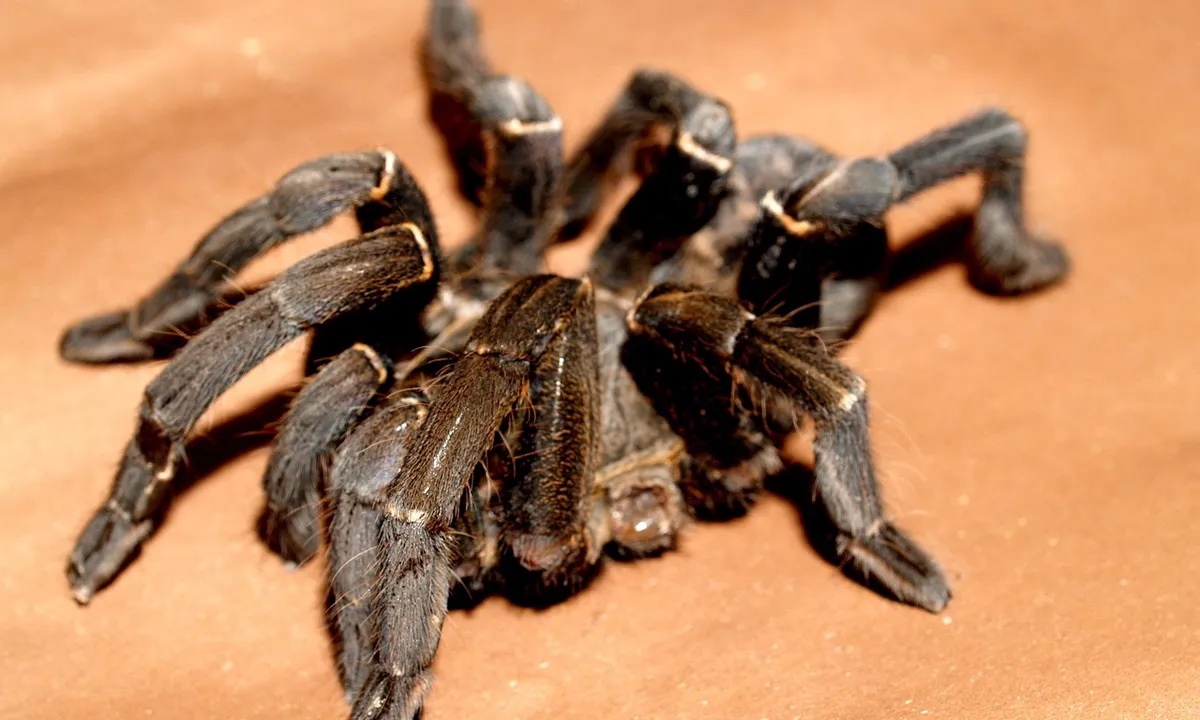
- Prolonged, Abnormal Posture: A tarantula that remains in a “death curl” position but is still alive-legs tightly tucked under-is in extreme distress. A healthy tarantula’s legs support its body.
- Traumatic Injury: A ruptured abdomen, a lost limb with significant bleeding (hemolymph loss), or a severe crack in the carapace requires professional intervention to seal the wound.
- Failed Molt with No Progress: A tarantula stuck partway out of its old exoskeleton for over 24 hours, especially if it appears desiccated or listless, needs help.
Subtle Signs of Illness: Appetite Loss and Lethargy
Not all alarms are loud. Chronic, low-grade issues manifest in behavior. My old Chilean Rose Hair, Rosie, once refused food for nine months-a normal fast for her species. Context is everything; a fasting mature female is different from a rapidly growing sling that suddenly stops eating.
True lethargy is a tarantula that no longer reacts to gentle stimuli in its enclosure, like a slight air puff or vibration. It may sit in the open for days, seemingly unaware. Combined with a shrunken abdomen and refusal of water, this points to dehydration or internal parasites. Trust your long-term observation; you know your tarantula’s normal rhythms better than anyone. A sudden departure from that baseline is your signal to investigate husbandry and consider a vet visit.
Common Tarantula Emergencies and Their Causes
Trauma and Fall Injuries
The greatest physical threat to a captive tarantula is a fall. Their abdomens are essentially hydraulic sacs covered by a thin, flexible cuticle. A drop of even a few inches onto a hard surface can cause a fatal rupture. I learned this early when a quick, defensive juvenile took a short tumble during a rehousing; the panic was palpable. Always work over a large, soft bin when performing enclosure maintenance to cushion any accidental falls. Falls often happen during handling, which is why the “Look, Don’t Touch” philosophy is a core aspect of respectful, safe husbandry.
Dehydration: A Silent Threat
More insidious than a fall, dehydration kills slowly. Signs include a wrinkled, shrunken abdomen, difficulty walking, and extreme lethargy. Arboreal species and moisture-dependent giants like my Goliath Bird Eater are particularly susceptible if humidity drops too low. A water dish is non-negotiable, but for a severely dehydrated tarantula, offering a shallow “water bowl” made of a bottle cap placed directly near its mouthparts can be a lifesaver. In critical cases, a vet may administer fluids. Prevention is straightforward: always provide clean water and monitor enclosure humidity with a digital gauge, not guesswork. Not sure how to tell if your tarantula is dehydrated? Look for a wrinkled, shrunken abdomen, difficulty walking, and extreme lethargy—the telltale signs of dehydration.
Complications During the Molting Process
Ecdysis is the most vulnerable time in a tarantula’s life. Most problems arise from inadequate humidity. The old exoskeleton can simply stick, trapping the tarantula. This is a dystocia, a true emergency. Never pull a stuck tarantula from its molt; you will cause catastrophic damage. Instead, increase humidity dramatically by misting the enclosure walls and creating a humidity tent with plastic wrap. If limbs are stuck, a veterinarian can use specialized tools to carefully assist. Another complication is a “bad molt,” where new limbs are kinked or soft. These often heal with subsequent molts, but the tarantula needs a stress-free environment and perfect hydration to prepare for its next cycle.
First Response: What to Do Before the Vet Visit
Step 1: Assess and Isolate
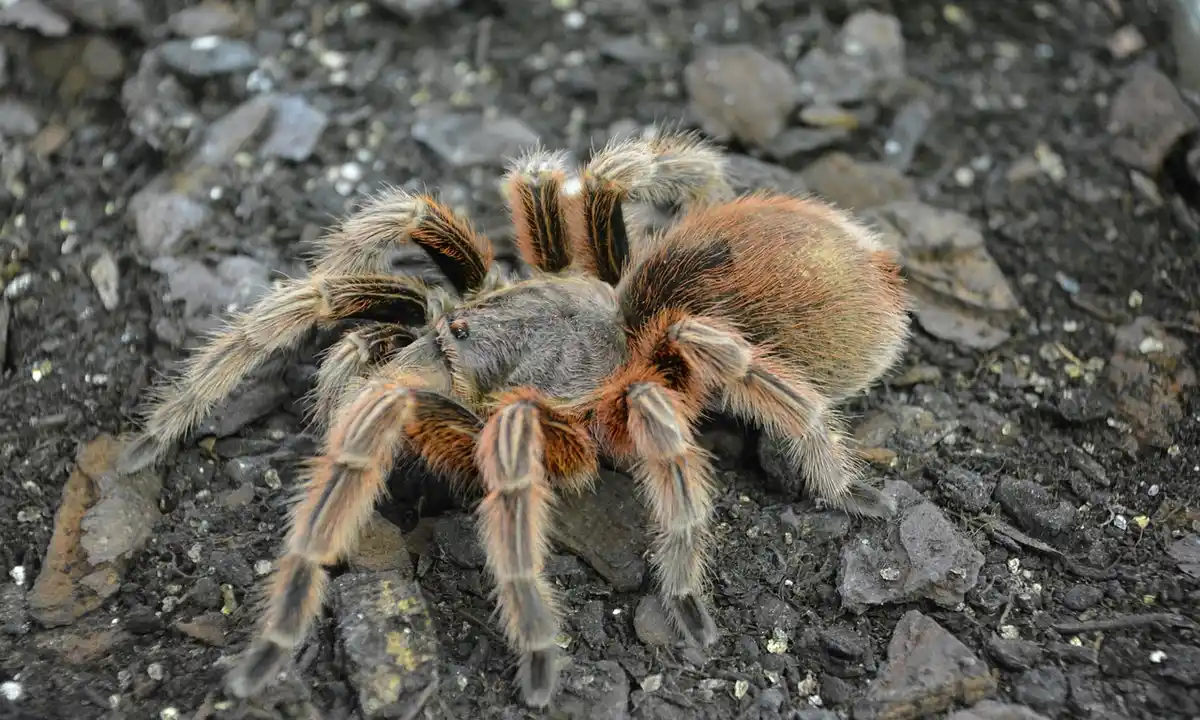
Your first move is a quiet observation. Do not touch or attempt to handle the tarantula. Turn on a soft light and watch for movement in the legs, fangs, or abdomen. A completely limp, curled tarantula may be in a death curl, but sometimes it’s severe dehydration. For a deeper understanding, the death curl explained depth guide on tarantulas’ final posture offers a detailed breakdown of causes and recommended actions. Knowing this helps you act quickly and calmly to support the spider or seek veterinary help. Isolation is critical-gently move the entire enclosure to a quiet, dim area away from vibrations, other pets, and activity. I learned this with my OBT, Flash; a perceived threat during a vulnerable moment can trigger a fatal stress response.
Note any visible injuries like a ruptured abdomen or leaking hemolymph. Listen for the silence; a healthy tarantula is quiet, but a distressed one may produce subtle stridulation. Check for mites or mold, which require different action. Your goal is to gather data without becoming a stressor.
Step 2: Secure the Environment
If the tarantula is in its enclosure, do not disturb it further. Make immediate, minor adjustments to its microclimate. For moisture-dependent species like my Theraphosa stirmi, Goliath, I might add a damp paper towel to one corner to spike humidity without flooding. For arid species like my Grammostola rosea, Rosie, I ensure the substrate is dry to prevent fungal growth.
- Stabilize temperature between 70-78°F (21-25°C).
- Remove any uneaten prey items immediately.
- Provide a shallow water dish if not present, using a bottle cap for stability.
- Eliminate fall hazards by lowering any decor.
This is not about fixing the problem but about preventing further physiological shock during the crisis. A stable environment buys time.
Step 3: When to Avoid Home Treatment
The internet is full of home remedies, but applying them can be a death sentence. You must avoid intervention in these cases.
- A ruptured abdomen: This is a surgical emergency. Applying cornstarch or superglue at home rarely works and introduces infection.
- Prolonged, abnormal lethargy or wobbling: This could indicate poisoning or neurological issues.
- Severe mite infestations covering the book lungs or eyes.
- A bad molt where the tarantula is partially trapped for over 24 hours. I once lost a sling trying a humidity chamber when vet glue was needed.
Your role is steward, not surgeon; recognize the limits of home care to avoid causing irreversible harm.
Preparing for and Transporting to the Veterinary Clinic
How to Safely Contain Your Tarantula for Travel
Transport stresses the animal, so your method must prioritize security and minimal handling. I use a small, breathable plastic container with air holes. Line it with a paper towel for grip.
- If the tarantula is mobile, gently guide it into the travel container using a soft brush or by placing the container over it and sliding a card underneath. Never chase or pin it.
- For a non-mobile tarantula, carefully scoop it with a spoon or card, supporting as much of its body as possible.
- Secure the lid with tape. Label the container “LIVE TARANTULA – FRAGILE” in bold.
- Place this container inside a slightly larger box cushioned with crumpled paper or cloth to prevent rolling and dampen sound.
Keep the transport box in the passenger footwell of your car, not the trunk, to avoid temperature extremes and jarring movement. I learned this the hard way during a rehousing escape-calm and deliberate motions prevent disasters.
Essential Information to Bring to the Vet
Exotic vets need precise data. Your notes are their diagnostic tools. Bring a written summary.
- Species and common name: Latin name is best (e.g., Pterinochilus murinus, not just “OBT”).
- Age and sex if known: My G. rosea, Rosie, is 15 and female, which informs age-related care.
- Recent husbandry details: Last meal, molt date, enclosure temperature and humidity percentages.
- Timeline of symptoms: “Noticed lethargy 48 hours ago, refused food for 3 weeks prior.”
- Photos of the enclosure and close-ups of the injury or odd behavior.
- A recent molt, if available, for sexing and examination.
Being prepared transforms a chaotic emergency into a structured clinical visit, giving your tarantula the best chance. Your vet will rely on your observant, calm account more than any textbook.
Finding and Working with an Exotic Animal Veterinarian
Not All Vets Treat Tarantulas: How to Find One
Your regular cat and dog veterinarian almost certainly cannot help your tarantula. Specialized knowledge of invertebrate anatomy, physiology, and pharmacology is non-negotiable for effective treatment. Finding this expertise requires proactive searching before an emergency strikes.
Begin your search online using terms like “exotic animal veterinarian” or “avian and exotic vet” in your area, then call directly. Ask the blunt question: “Do you have a veterinarian on staff who is comfortable diagnosing and treating tarantulas?” I’ve made dozens of these calls; receptionists are usually honest about their clinic’s limitations. Sometimes, even if they say no, it doesn’t mean you can’t find one who does.
Leverage community knowledge. Your best resources are often other local tarantula keepers, reptile specialty stores, or online forums dedicated to arachnids. An experienced breeder tipped me off to the only vet in my state who would see my Theraphosa stirmi, Goliath, for a concerning wound.
- Search the Association of Reptilian and Amphibian Veterinarians (ARAV) directory, as some members also treat invertebrates.
- Contact university veterinary schools with zoological medicine programs.
- Be prepared to travel. A one or two-hour drive may be necessary for competent care.
- Confirm costs upfront. Exotic consults and medications are often more expensive than standard pet visits.
What to Expect During the Examination
Walking into a clinic with a tarantula in a deli cup is a unique experience. The initial assessment will rely heavily on your observational skills as the keeper, as the vet gathers a detailed history. You are the primary witness to the problem.
Be ready to answer specific questions: When did symptoms start? What is the exact enclosure temperature and humidity? Describe the last successful molt. What and when was the last meal? Note any changes in webbing, posture, or movement. Bring clear photos of the enclosure and, if possible, the issue itself.
The physical exam is a delicate dance. The vet will likely observe the tarantula in its transport container first. For handling, they may use soft brushes or gentle guiding into an open space on the exam table. They are checking for signs of dehydration, injury, parasites, or abnormal discharges. Do not be surprised if the vet recommends diagnostic tests like a microscopic examination of a wound swab or feces. I once had a vet use a tiny endoscope to look at a suspect area on one of my tarantulas, an incredible feat of miniature medicine.
Treatment plans are often conservative. Options may include fluid therapy for dehydration, topical antiseptics for wounds, or prescribed antiparasitic agents. You will receive clear instructions for at-home care.
Post-Visit Care and Monitoring Recovery
Setting Up a Recovery Enclosure
A hospital enclosure, or “ICU,” is about minimizing stress and maximizing oversight. The goal is a sterile, simplified environment that allows you to monitor the patient easily and administer care without a complex rehouse. Forget aesthetics; focus on function.
Use a small, secure plastic container with ample ventilation. Ensure the container has small vents to permit air exchange while keeping the tarantula secure. Regularly check that the vents stay clear and that air circulation prevents stale air or excess humidity. Line the bottom with several layers of plain, moistened paper towels—not substrate. This provides hydration, prevents injury from a hard fall, and allows you to see waste or other fluids. A small, shallow water dish is still essential. Provide a single, simple hide like a half-cup or plastic foliage; the tarantula needs a secure feeling.
- Maintain stable, species-appropriate warmth using an external heat mat on one side of the enclosure, never underneath.
- Keep the enclosure in a quiet, dimly lit area away from household traffic.
- Remove all live prey. A recovering tarantula is vulnerable and should not be stressed by crickets.
- This setup is temporary, only until the animal is stable and eating again.
Administering Prescribed Care
Follow the veterinarian’s instructions to the letter. Dosages for tarantulas are minuscule and calculated with precision. Even a small deviation from the prescribed treatment can be the difference between recovery and a fatal overdose. I keep a dedicated notepad by the enclosure to log every intervention.
Common at-care tasks include applying topical ointment with a cotton swab or administering oral fluids. For oral fluids, the vet may provide a small syringe (without a needle). This requires immense patience. Gently coax the tarantula’s mouthparts toward a single drop of fluid. Let it drink voluntarily; do not force liquid into its mouth.
Your primary job is vigilant observation. Note any changes, positive or negative, in activity level, posture, or the appearance of the injury. Keep the recovery enclosure impeccably clean, changing the paper towels daily or whenever soiled. Resist the urge to “check” on the patient constantly; limit intrusions to necessary care times to allow for rest. Recovery from illness or injury in tarantulas is measured in weeks or months, not days. Patience and consistency are your most important tools. This steady care also helps prevent common health issues beginners often see, such as dehydration and moulting problems. Regular monitoring makes it easier to catch issues early and keep your tarantula thriving.
Preventing Future Health Emergencies
Optimizing Housing to Prevent Falls and Injury
The silent enclosure of a tarantula is its entire world, and a single fall can rupture its abdomen with fatal consequences. Preventing falls is the single most effective action you can take to avoid a traumatic injury emergency. Start by matching the enclosure type to your tarantula’s lifestyle: terrestrial species like my Grammostola rosea Rosie need width, not height. I use a rule where the vertical distance from the substrate to the lid is no more than 1.5 times the tarantula’s diagonal leg span.
Substrate depth is non-negotiable for burrowers and climbers alike. For terrestrial tarantulas, provide a compacted substrate layer at least 1.5 times their leg span deep-this cushions any accidental falls. My Burgundy Goliath, a heavy Theraphosa stirmi, has a full eight inches of moist coconut fiber and peat mix to dig into and soften any potential tumble. For an arboreal setup, ensure anchor points are secure and placed low to discourage high climbs.
- Enclosure Dimensions: Terrestrial: more floor space, low ceiling. Arboreal: vertical space with cork bark slabs, not dangling plants.
- Safe Furnishings: Sand all wood edges smooth. Avoid sharp rocks or ceramic hides with rough interiors. I use silicone to seal any tiny gaps in cork bark.
- Bioactive Benefit: A well-planted bioactive setup with springtails offers a stable, humid microclimate and reduces mold, but ensure any isopods are dwarf species that won’t bother a molting tarantula.
After Rosie took a minor fall years ago from an overly tall hide, I now measure every enclosure twice. The goal is to create a secure, enriching space that minimizes risky vertical exploration. Remember, a stressed tarantula that climbs constantly is often signaling an issue with its ground-level environment.
Maintaining Consistent Hydration and Nutrition
Dehydration and malnutrition are slow-motion emergencies that weaken a tarantula ahead of a molt, the most vulnerable period of its life. Consistency in hydration is more critical than chasing specific humidity percentages day-to-day. Do all tarantula species have the same hydration needs? Not exactly—hydration needs vary by species and environment, though a consistent hydration approach benefits them all. I provide a shallow, wide water dish for every tarantula, from my moisture-loving Goliath to my arid-adapted Rosie. The dish is anchored with a flat stone to prevent tipping.
Humidity management is species-specific. For Pterinochilus murinus like Flash, I lightly mist one corner of the web tunnel once a week, ensuring the substrate below is dry to prevent stagnant moisture. For Goliath, who requires 80-85% humidity, I overflow the large water dish into the deep substrate and monitor with a digital hygrometer placed at substrate level. Nutrition is about quality and timing. I feed prey no larger than my tarantula’s abdomen.
- Hydration Check: Refill water dishes with dechlorinated water every two days. For slings, I drip water onto their webbing.
- Feeding Schedule: Juveniles get one appropriately sized cricket per week. Adults like Rosie may eat only once a month or fast for seasons-this is normal.
- Prey Management: Always use soft-tipped tongs. Remove uneaten live prey within 24 hours to prevent stress or injury to your tarantula.
Flash’s sudden strike is a blur of orange, but I never hand-feed. Using tongs prevents prey from biting your tarantula and reinforces the ‘Look, Don’t Touch’ philosophy that keeps both of you safe. Watch for a plump abdomen; a shriveled one can indicate dehydration, while an overly distended one may signal impaction.
The Power of Routine Observation
The most advanced tool in your husbandry kit is your own attentive eye. Daily, non-invasive observation builds a baseline of normal behavior, making the slightest deviation instantly noticeable. I spend five minutes each evening simply watching my tarantulas’ enclosures, noting posture, web architecture, and position. This quiet routine caught Goliath’s early signs of a mite issue, confined to his water dish, before it became an infestation.
Create a mental checklist for your routine. A change in webbing patterns, like Flash sealing himself in completely, often precedes a molt and signals a need for absolute quiet and increased humidity. Note appetite changes: Rosie’s famous fasts are normal, but a juvenile that refuses food for weeks while active may have a parasite.
- Physical Signs: Bald spots from hair-kicking (common in my T. stirmi), fluid leaks, a dragging leg, or a discolored foveal groove on the carapace.
- Behavioral Signs: Unusual lethargy, prolonged stay at the water dish, or constant climbing on the glass-often a sign of incorrect humidity or substrate moisture.
- Molting Precursors: Darkening of the abdomen, laying a silken molt mat, and refusing food for weeks. This is when you ensure the water dish is full and do not disturb.
I learned the value of observation when I missed the subtle darkening of a sling’s abdomen and disturbed it pre-molt; the subsequent molt was problematic. Your tarantula’s health is written in the details of its daily life, from the sheen on its carapace to the precision of its silk. By watching respectfully, you become its first and best line of defense.
Common Questions
How do I identify a ruptured abdomen?
A ruptured abdomen often appears as a visible wet spot, dent, or leak of clear or milky hemolymph (the tarantula’s blood). The area may look sunken or deflated compared to the rest of the plump abdomen. This is a critical surgical emergency requiring immediate professional care, as home remedies like glues or powders are rarely effective and risk serious infection.
Should I attempt to treat my tarantula at home first?
For minor, non-critical issues like slight dehydration, you can offer a shallow water dish near the tarantula’s mouthparts. For a tarantula stuck in a molt, significantly increasing enclosure humidity is the appropriate first step. However, for any visible injury, severe lethargy, or a stuck molt lasting over 24 hours, contacting a vet is always safer than attempting invasive home treatment that could cause further harm. You can find more information on handling molting issues in A Complete Guide to Tarantula Molting Problems and Solutions.
Are all veterinarians equipped to treat tarantulas?
No, most general practice veterinarians are not trained in invertebrate medicine. You must seek an exotic or specialized veterinarian with direct experience treating tarantulas. Contact clinics ahead of time to confirm their expertise, and utilize resources like the Association of Reptilian and Amphibian Veterinarians (ARAV) directory or local exotic pet communities for referrals. Proper care for advanced rare tarantula species requires specialized husbandry knowledge and careful attention to enclosure, humidity, and diet. Seek guidance from experienced tarantula keepers in addition to veterinary professionals to ensure the species’ unique needs are met.
What are common treatments for tarantula emergencies?
Treatments are delicate and specialized. They can include fluid therapy for dehydration, using surgical adhesives or sutures to seal a ruptured abdomen, and carefully assisting with a stuck molt using specialized tools. A vet may also prescribe topical antiseptics or antiparasitic medications. These procedures require precise knowledge of tarantula anatomy and physiology to be performed safely.
The Most Viable Path
For the species most likely to face veterinary emergencies, particularly the moisture-dependent giants like my Theraphosa stirmi Goliath, consistent and generous hydration is the single greatest preventative measure you can take. All other husbandry factors depend on this foundation. A damp, deep substrate core, a large, always-full water dish, and regular overflow to wet the surrounding earth mimic the humid microclimate of their native forest floor, supporting renal function and easing the immense physical strain of molting.
Beyond crisis management, the true reward lies in quiet observation. Watch the careful architecture of a burrow, the precise placement of silk trip lines, or the patient ambush from a hide. These behaviors are the signs of a tarantula thriving in your care. Progress is measured in months, not days. This hobby teaches a profound patience, where the most skilled intervention is often a respectful step back, allowing the natural resilience of the spider to unfold in silence.
Further Reading & Sources
- Veterinary Care of Tarantulas | Arachnoboards
- Tarantula and Hermit Crab Emergency Care – Veterinary Clinics: Exotic Animal Practice
- Tarantula Vet! | Our Reptile Forum
Arlo is a lifelong arachnid enthusiast who believes tarantulas are the world’s most misunderstood roommates. With years of hands-on experience in tarantula care, habitat setup, and species behavior, Arlo combines expert knowledge with a dash of humor to make spider ownership less scary and a lot more fascinating. From choosing the right enclosure to understanding why your eight-legged buddy is doing that weird little pose again, Arlo is here to help you become the best tarantula parent you can be, without getting tangled in the web of misinformation.
Veterinary Care