
Emergency Power Outage: A Checklist for Keeping Your Tarantula Safe
Published on: December 25, 2025 | Last Updated: December 25, 2025
Written By: Arlo
In our climate-controlled hobby, a power failure is one of the few true emergencies that can threaten tarantulas of all types, from pet rocks to lightning-fast Old Worlds. This guide is your immediate-action plan, born from years of managing colonies through storms, blackouts, and furnace failures, where the silent drop in temperature is the real predator.
- Quick Stats:
- Origin: Your Home
- Type: Universal New & Old World Threat
- Growth Rate: Crisis Timeline (Hours to Days)
My promise is straightforward: this checklist will give you the clear, prioritized steps to stabilize your spiders, whether you have a fifteen-year-old Grammostola rosea like my Rosie or a humidity-dependent giant like my Theraphosa stirmi, Goliath.
Understanding the Threat: How a Blackout Affects Your Tarantula
Your tarantula is an ectotherm. It does not generate its own body heat and relies entirely on the ambient temperature of its environment to function. A power outage removes the stable, artificial climate you have carefully curated, forcing your spider to endure whatever conditions your home provides.
The primary dangers are temperature drop and humidity crash. A slow, steady cooling is less dangerous than a rapid plunge. Humidity can vanish from an enclosure in hours, especially with screen lids or under-tank heaters that have gone cold. For a molting tarantula, low humidity can cause a fatal molt, as the new exoskeleton hardens improperly before the animal can fully extract itself.
How Long Can Your Tarantula Go Without Power?
There is no single answer. A hardy Chilean Rose Hair like my Rosie can likely survive room-temperature conditions for weeks, as her species experiences cool nights in the wild. The real risk is for tropical and humidity-dependent species, like my Theraphosa stirmi, Goliath, who can develop fatal fungal infections or respiratory issues within days in a cold, dry environment.
Use this as a general guide:
- Hardy, Dry-Climate Species (Grammostola, Brachypelma): Can tolerate gradual cooling to the low 60s°F (16-18°C) for several days. Their greatest risk is prolonged cold, not a brief outage.
- Tropical, Humidity-Dependent Species (Theraphosa, Avicularia): Require stable warmth and moisture. 24-48 hours in cool, dry conditions can trigger health crises, especially for juveniles or pre-molt individuals.
- Fast, Defensive Arboreals (Poecilotheria, Psalmopoeus): Like my OBT Flash, they are often tough but prefer warmth. Cooling slows their metabolism drastically, making them vulnerable if a fall occurs.
How Fast Does an Enclosure Cool Down?
The rate depends on your setup. A glass tank with a screen top loses heat far faster than a well-sealed acrylic or plastic enclosure. Deep, moist substrate acts as a thermal buffer, while a shallow, dry layer offers no insulation. I’ve measured a standard 10-gallon glass tank drop from 78°F to 68°F in under 90 minutes in a 65°F room, a dangerous slide for a tropical specimen.
Consider these factors:
| Enclosure Type | Insulation Quality | Cooling Speed |
|---|---|---|
| Glass Tank (Screen Top) | Very Poor | Very Fast |
| Plastic/Acrylic (Vented) | Good | Moderate |
| Plastic with Deep Substrate | Excellent | Slow |
Your first move is to understand what you’re working with so you can prioritize your response.
Your First 30 Minutes: Immediate Power Outage Response
Panic helps no one, especially not your sensitive tarantula. Your initial actions set the tone for the entire emergency. The goal is not to immediately warm the enclosure, but to slow the loss of the existing heat and humidity. Rushing to apply a direct heat source is a common and dangerous mistake. Being mindful of common heating and humidity mistakes—such as over-warming the enclosure or rapid humidity swings—can prevent harm to your tarantula.
Do Not Disturb: Minimizing Stress is Key
Do not open the enclosure. Do not try to move your tarantula to a “safer” container unless absolutely necessary (like a flooding basement). The stress of being handled in a strange, dark environment can be more harmful than a gradual cooldown. I learned this the hard way during an outage years ago, causing my usually calm rose hair to flick hairs for the first time; their world is vibration and air pressure, and your sudden interference is an earthquake. If you must transport it, use a secure, escape-proof container and handle as little as possible. Have the destination enclosure prepared and move with calm, steady motions to safely rehouse your tarantula.
Follow this immediate checklist:
- Insulate. Wrap the enclosure, especially glass tanks, in towels, blankets, or foam board. Leave the front viewable for monitoring but cover the sides and top to trap existing warmth.
- Consolidate. If you have multiple tarantulas, group the insulated enclosures together in the smallest, most interior room of your home (a closet, bathroom). This creates a shared microclimate that cools slower.
- Monitor, Don’t Modify. Use a battery-powered thermometer/hygrometer to track conditions. Note the starting temperature. Your job now is observation, not active heating.
- No Feeding. Never offer food during a power outage. A cooling tarantula cannot digest, and a live cricket can injure a lethargic spider.
This calm, methodical approach preserves the animal’s well-being and gives you critical time to assess the duration of the outage and plan your next steps. For tarantula keepers in the first 30 days, our survival guide offers a week-by-week approach to outages and care adjustments. Following it helps you translate patience into practical protection for your tarantula. Your tarantula’s resilience is built over millennia; your role is to provide a buffer, not a perfect replica of lost power.
Backup Power and Light: Essential Emergency Gear
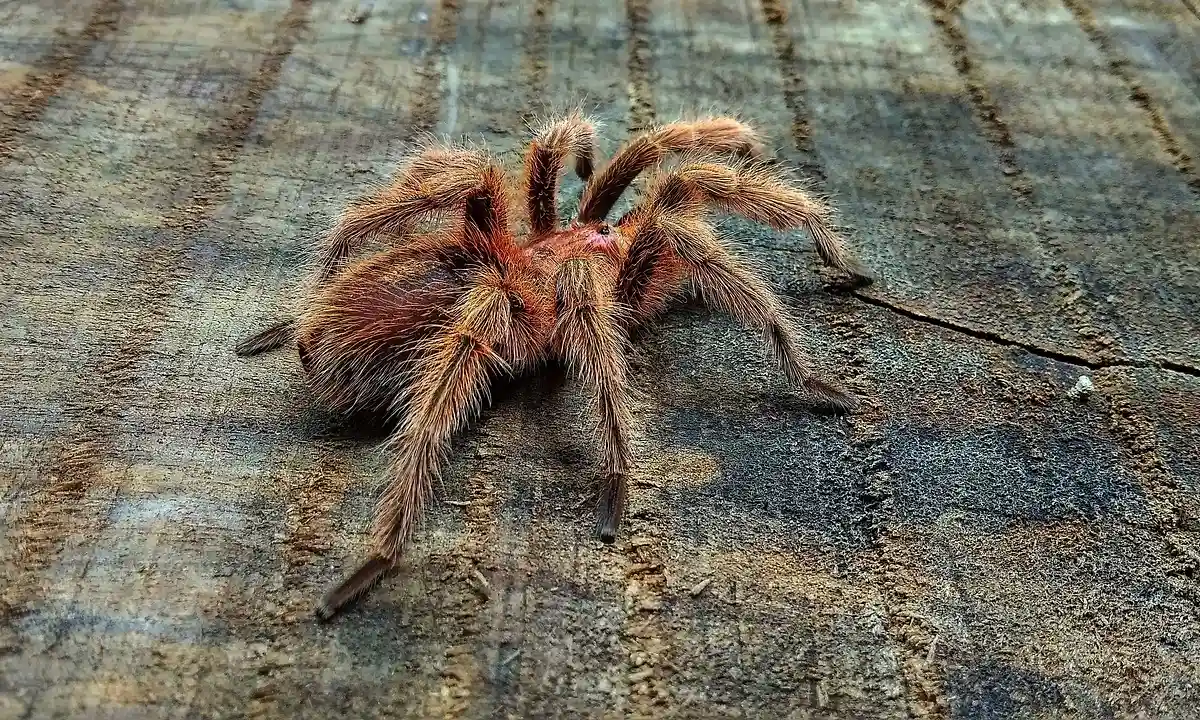
Battery-Operated and Manual Tools
When the grid fails, your first line of defense is a kit of non-electric tools. I rely on chemical hand warmers for spot heating. During a 12-hour winter blackout, I placed activated hand warmers inside a sock, then set them outside my T. stirmi Goliath’s enclosure to radiate safe, ambient warmth.
Your kit must include more than heat. I always have a LED lantern for safe viewing without disturbing the tarantula’s light cycle. For my moisture-dependent Goliath, a simple spray bottle lets me manually mist the enclosure walls to boost humidity. Are you tracking the ideal temperature and humidity ranges for your tarantula enclosure? Most tarantulas do best around 70-85°F with humidity in the 60-80% range, adjusted for the species. Manual tools give you direct control when technology fails, reducing stress for both keeper and spider.
- Chemical hand warmers or foot warmers (for external, indirect heating)
- LED lanterns or headlamps with red light modes (to minimize disturbance)
- Manual spray bottles for humidity management
- Analog thermometer/hygrometer combo (no batteries needed)
- Insulating materials like towels or foam boards to wrap enclosures
Evaluating Generators and Power Banks
For prolonged outages, a power source is critical. Tarantula heating equipment draws little power, so a small power bank can suffice. I use a 20,000mAh bank to run my G. rosea Rosie’s 5-watt heat mat for over 24 hours. Always calculate your device’s wattage and match it to the power bank’s output capacity to avoid overload.
Generators are for severe scenarios. If you consider one, prioritize inverter models for stable, clean power that won’t fry sensitive thermostats. My rule is simple: the generator stays in a well-ventilated space far from the tarantula room to prevent fumes and vibration stress. The silence of a healthy enclosure is precious; a loud generator nearby can agitate even a docile species.
- Power Bank Checklist:
- Output: Must match your heat mat or fan’s voltage (typically 5V USB or 12V DC).
- Capacity: Measured in mAh; higher numbers run devices longer.
- Ports: Multiple ports allow you to power a heat source and a small LED light.
- Generator Considerations:
- Inverter type for safe electronics
- Fuel storage safety (never indoors)
- Noise level measured in decibels (lower is better)
Monitoring Without Power: Tracking Temperature and Humidity
Without digital gauges, you shift to analog observation. I keep adhesive analog thermometers and hygrometers on all enclosures. They are always active and proved vital when Flash, my P. murinus, began molting during an outage. Regular manual checks every 2-4 hours create a reliable log of environmental shifts.
Feel the enclosure walls and substrate. For fossorial species, the burrow’s microclimate is key. I gently feel the glass near my OBT’s web tunnel for coolness, indicating stable humidity. For arboreals, air flow at the top of the enclosure matters more. Trust your senses, but verify with a simple, battery-free analog tool.
Signs of Distress to Watch For
Tarantulas communicate stress through subtle behavior changes. A cold G. rosea like Rosie may tuck her legs tightly under her body, resembling a rock even more. Lethargy is one thing, but a tarantula sitting with its legs curled inward under its thorax is a severe sign of hypothermia.
Humidity distress looks different. My T. stirmi will often kick a cloud of urticating hairs if the air becomes too dry, a defensive behavior triggered by discomfort. Conversely, a tarantula pressed against the glass, away from substrate, might signal excessive moisture. Watch for these cues.
- Temperature Stress Signs:
- Curled legs (a critical emergency)
- Unusual stillness in typically active species
- Refusal of food for extended periods beyond normal fasting
- Humidity Stress Signs:
- Excessive hair kicking in New World species
- Abandoning the burrow or favorite hide
- Prolonged presence in the water dish
Each species reacts uniquely. My OBT webs over ventilation holes when humidity drops, a clear sign I need to mist. Your detailed knowledge of your tarantula’s normal behavior is your best monitoring tool when power is gone. It’s important to recognize the signs of incorrect humidity in a tarantula enclosure to ensure their well-being.
Emergency Heating Methods Without Grid Electricity
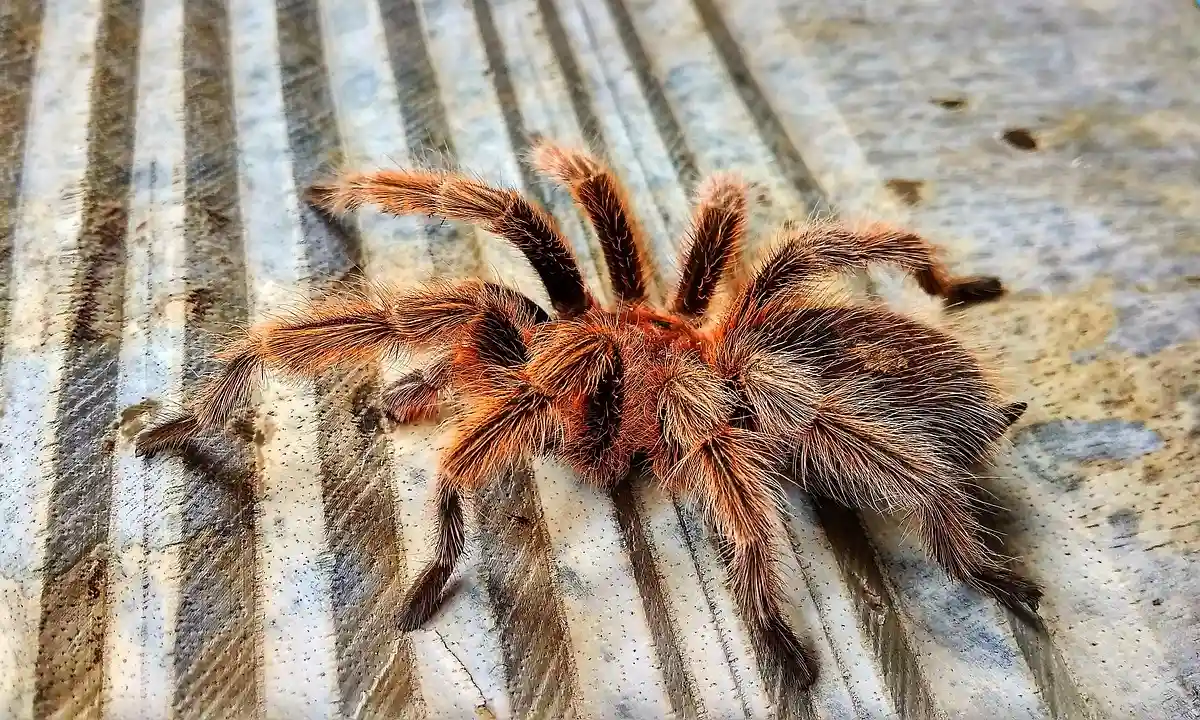
When the lights go out, your first thought is warmth. Tarantulas are ectotherms, relying on ambient heat to digest food and prepare for molts. A sudden drop below 65°F (18°C) can induce a dangerous state of lethargy, especially for tropical species.
I remember the deep silence of a 24-hour winter outage, broken only by my worry for Goliath and his need for steady 80°F heat. Passive, indirect heating methods are your safest bet to replicate natural conditions without power.
Method 1: The Warm Water Bottle
This is my most trusted tool. I’ve used it for everything from my docile Rosie to my fastidious Goliath. The principle is simple: create a gentle, external heat gradient. You are building a temporary warm side in the enclosure, allowing the tarantula to choose its comfort. In this definitive guide to tarantula enclosures, we compare heating mats and heat lamps—weighing heat delivery, safety, and energy use. By understanding which option best fits your species, you can establish a reliable warm side that supports natural behavior while keeping care straightforward.
Use a firm plastic bottle, like a soda bottle, filled with hot tap water. Water that is too hot can warp plastic or cause thermal shock. Always wrap the sealed bottle in a layer of cloth-a sock or dish towel works perfectly-to prevent direct contact burns.
Place the wrapped bottle directly against the outside glass or plastic of the enclosure. For my terrestrial tarantulas, I place it on the side. For arboreal ones like Flash, I secure it to the side wall with tape. Check the setup with your hand; the enclosure wall should feel warm, not hot, to the touch.
Here is the precise routine I follow:
- Fill bottle with water at 120°F (49°C) maximum.
- Wrap it in two layers of dry cloth.
- Place it against one end of the enclosure base.
- Use a thermometer to ensure ambient air near it stays between 75-80°F (24-27°C).
- Replenish with fresh hot water every 3 to 4 hours.
The quiet gurgle of a cooling water bottle became a comforting sound during one long night, assuring me my spiders were stable. This method provides a predictable, fading heat source that discourages sudden movements and stress.
Method 2: Insulating the Enclosure
Before adding heat, trap what’s already there. Insulation is a critical first step I take the moment the power fails. Your goal is to dramatically slow the rate of cooling, creating a stable microclimate.
I use materials readily found in homes: blankets, towels, bubble wrap, or even crumpled newspaper. Wrap the back and sides of the enclosure, but never cover the top ventilation completely, as stagnant air can be as deadly as cold.
For my arid species like G. rosea, I focus on dry insulation like foam board. For my humid-dependent T. stirmi, I might add a slightly damp towel inside the insulation layer to help maintain humidity around 80%. This layered approach kept Goliath’s substrate perfectly damp for a critical 12-hour period last year.
A quick insulation guide:
- For glass tanks: Bubble wrap taped to the outside surfaces.
- For plastic enclosures: Place the entire unit inside a cardboard box packed with towels or packing peanuts.
- Critical check: Always ensure cross-ventilation airways remain open after wrapping.
The Risks of Chemical Hand Warmers and Heat Packs
I must be unequivocal here: I do not use these inside or directly against tarantula enclosures. The intense, concentrated, and unpredictable heat from chemical reactions poses a severe burn risk to a tarantula’s exoskeleton. Additionally, ensure the tarantula enclosure is properly ventilated and securely closed to prevent heat buildup. Proper ventilation helps maintain safe humidity and temperature for the tarantula.
These packs can reach internal temperatures over 150°F (65°C). Even through a barrier, that heat can radiate intensely. I witnessed a near-disaster when a single-use hand warmer, placed in a sock, still made an enclosure wall too hot to touch. A tarantula cannot quickly escape such a localized heat trap, leading to fatal dehydration or injury.
Furthermore, the contents-often iron powder-are toxic if the pack is punctured. For the absolute safety of your animal, reserve chemical heat packs for warming your own hands as you care for your spiders.
Building Your Tarantula Emergency Kit
After managing several outages, I assembled a dedicated kit. It now sits on a shelf in my tarantula room, a tangible piece of mind. Preparation is the most respectful care you can provide, minimizing your panic and their stress during a crisis.
Your kit should be in a waterproof container. Here is what I always have ready, tailored for my diverse collection:
- Heat Sources: Two sturdy one-liter plastic bottles and several thick socks for wrapping.
- Insulation: A roll of bubble wrap and a space blanket (the metallic kind).
- Light: A headlamp with a red light mode. White light stresses tarantulas; red lets me check on Flash without triggering a defensive pose.
- Monitoring: A battery-powered digital thermometer/hygrometer. Knowing the exact humidity stopped me from over-misting Rosie’s arid setup.
- Water: A sealed gallon of dechlorinated water for both misting and potential drinking.
- Species-Specific Notes: A handwritten card listing each tarantula, its ideal temp/humidity, and a reminder of its temperament. This is crucial if someone else must help.
- Tools: Long tweezers, a soft paintbrush for gentle guidance, and extra pillow stuffing for temporary ventilation blocks.
This kit evolved from the time I had to care for a molting OBT and a humidity-loving Goliath simultaneously. Having supplies organized meant I could focus on observing their behavior, not searching for supplies in the dark.
Kit Maintenance: The Twice-Yearly Check
A kit is useless if its components fail. I sync my checks with the time changes in spring and fall. This biannual ritual takes 15 minutes but ensures every item is functional and relevant.
I empty the bin and inspect everything. I replace the bottled water, test the headlamp batteries, and check for cracks in the water bottles. I update the species note card, adding any new arrivals or changing needs, like when Rosie entered one of her long fasting periods.
Finally, I practice. I might simulate an outage to ensure I can quickly insulate an enclosure or set up a water bottle heat source. Familiarity with your own emergency procedures is the final, critical layer of preparedness for your tarantula’s welfare. That same discipline appears in disaster preparedness tarantula keeper guides, which cover fires, floods, and other emergencies. Training and testing your plan builds resilience for your tarantula’s habitat in extreme conditions.
FAQs
Should you use a generator to power tarantula heat mats during an outage?
A generator can be used as a last resort for prolonged outages, but extreme caution is required. It must be an inverter-type generator to provide clean, stable power and should be operated outdoors, far from the enclosures, to prevent toxic fumes and harmful vibrations. Connecting a heat mat through its original thermostat is crucial to avoid dangerous overheating. For most outages, smaller, safer backup options like power banks are recommended.
What are the signs of distress in a tarantula during a power outage?
Key signs include lethargy beyond normal stillness and holding its legs tightly curled underneath its body, which indicates severe hypothermia. A tarantula may also abandon its hide or burrow, or for New World species, exhibit unusual hair-flicking due to dry-air stress. For humidity-dependent species, prolonged sitting in the water dish is another critical distress signal that requires immediate action. These are early warning signs that a tarantula may be sick or seriously stressed, and early recognition can help prevent further decline. If you notice any of these signals, seek advice from an exotics veterinarian or an experienced tarantula keeper promptly.
What equipment is essential for backup power for tarantulas?
The most critical item is a high-capacity power bank with the correct voltage output to run small-wattage heat mats or fans. Always have analog thermometers and hygrometers that don’t require power to function. Insulation materials like foam boards or towels are vital for slowing heat loss. A reliable LED light source, preferably with a red mode, allows for safe monitoring without adding stress.
Are there safe ways to heat tarantula enclosures without electricity?
The safest method is using a warm water bottle wrapped in a cloth and placed against the *outside* of the enclosure to create gentle, ambient warmth. Properly insulating the enclosure with towels or bubble wrap is the essential first step to trap existing heat. You must avoid direct, concentrated heat sources like chemical hand warmers placed inside or directly against the habitat, as they pose a severe burn risk.
Cultivating Resilience for the Long Haul
From my experience sheltering Goliath during a winter blackout, I know the core principle is simple. Your primary mission during any outage is to prevent a rapid drop in ambient temperature, as this single factor poses the greatest threat to metabolism, digestion, and overall tarantula health. Whether your spider is a dry-desert dweller or a rainforest giant, sudden chilling is the enemy; everything in your checklist serves to buffer against this.
When the power returns and normalcy settles, use the calm to reconnect with the animal’s world. Watch your Pterinochilus murinus, Flash, rebuild its intricate funnel web with determined focus. Observe your Grammostola rosea, Rosie, sitting in perfect, undisturbed stillness. These quiet moments of observation are the reward for your preparedness, reinforcing that the best care is often about providing stability and then stepping back to let nature take its course. The hobby thrives on this patient, watchful stewardship.
Further Reading & Sources
- Power outage and tarantulas?! | Arachnoboards
- Planned Power/Heat Outage: How I’m Preparing to Keep my Tarantulas Warm | Arachnoboards
- How to Care for Your Reptile During a Power Cut | Evolution Reptiles
Arlo is a lifelong arachnid enthusiast who believes tarantulas are the world’s most misunderstood roommates. With years of hands-on experience in tarantula care, habitat setup, and species behavior, Arlo combines expert knowledge with a dash of humor to make spider ownership less scary and a lot more fascinating. From choosing the right enclosure to understanding why your eight-legged buddy is doing that weird little pose again, Arlo is here to help you become the best tarantula parent you can be, without getting tangled in the web of misinformation.
Heating and Humidity