
Signs of Impaction in Tarantulas and How to Prevent It
Impaction is a silent, internal crisis where a tarantula’s digestive tract becomes blocked, a condition I’ve learned to fear through years of tending everything from pet-rock calm Grammostola to lightning-fast Old Worlds. This article deciphers the often-missed behavioral shifts and physical clues that signal trouble, giving you the knowledge to act. Early detection, rooted in observant care, is your most powerful tool for prevention and potential intervention.
Quick Stats:
- Primary Risk Factors: Substrate ingestion, chronic dehydration, inappropriate feeder size.
- Affected Types: Both New World and Old World tarantulas; arid species are not immune.
- Keeper’s Leverage: Husbandry control over hydration, substrate, and feeding protocol.
This guide provides the specific, actionable steps to fortify your husbandry against impaction, supporting your tarantula’s health from vulnerable sling to robust adult.
What Is Tarantula Impaction?
Tarantula impaction is a digestive blockage, akin to severe constipation in humans, that can be life-threatening. It halts the normal passage of waste. Common tarantula health problems can often be prevented with proper care. Maintaining appropriate enclosure conditions, humidity, and diet helps prevent impaction and other issues.
- Definition: Impaction is a critical condition where a blockage forms in the digestive tract, preventing excretion and causing waste to accumulate.
- Location and Cause: This occurs in the opisthosoma, or abdomen, often from ingesting loose substrate, chronic dehydration, or internal issues. The blockage creates dangerous internal pressure.
- Analogy: Picture a tarantula’s digestive system as a one-way street. Impaction is a roadblock that traps everything behind it, with no alternate route for escape.
In my years of breeding, I’ve seen how a simple thing like dusty substrate can lead to a fatal buildup; their bodies lack the means to clear it once lodged.
Recognizing the Signs of Impaction
Early detection hinges on knowing what to look for during your daily observations. Watch for these specific clues.
- Distended Abdomen: A swollen, tight opisthosoma that remains enlarged long after feeding. It may appear shiny or stretched thin.
- Unusual Lethargy: A dramatic drop in activity. My fast OBT, Flash, once stayed motionless for a week, which was my first red flag.
- Prolonged Loss of Appetite: Refusing food for extended periods, unlike normal fasting. My G. rosea, Rosie, fasts, but with impaction, she also showed other signs.
- Absence of Fecal Matter: No white, chalky waste bolts in the enclosure. A clean tank for months is a warning, not a blessing.
- Refusal to Drink: Consistently ignoring the water dish. My humidity-loving T. stirmi, Goliath, once stopped drinking, worsening his condition.
- Difficult Molt Signs: Struggling during ecdysis or a molt with a discolored, shrunken abdomen. Impaction puts immense stress on the molting process.
One sign alone may not be conclusive, but two or more observed together form a clear picture of distress that requires your attention.
Common Causes and Risk Factors for Impaction
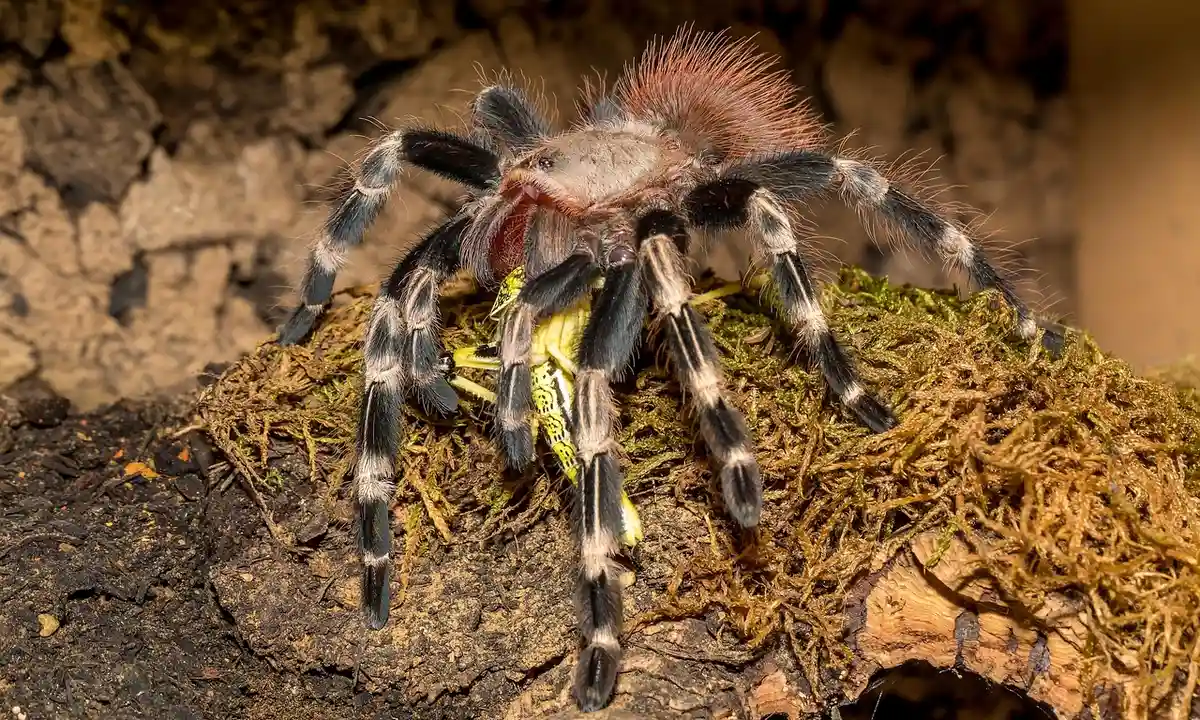
Impaction stems directly from manageable husbandry mistakes. Each cause creates a physical obstruction or a physiological slowdown that halts the digestive process, turning a simple meal into a life-threatening blockage.
- Overfeeding and Oversized Prey: Offering prey larger than the tarantula’s carapace is a primary culprit. The hard, chitinous parts of a too-large cricket or roach can form a physical plug the tarantula cannot pass. Frequent feedings also deny the system time to fully process one meal before the next arrives.
- Chronic Dehydration: A dry tarantula is a constipated tarantula. Without access to a water dish or adequate ambient humidity, the metabolic processes needed for digestion stall. Feces and urates dry into a hard, cement-like mass inside the terminal digestive tract, creating an immovable blockage.
- Inappropriate Substrate: Two failures occur here. First, using loose, dry, particulate substrates like pure sand or fine gravel encourages accidental ingestion during feeding or burrowing. Second, an overly dry substrate in a moisture-dependent species’ enclosure directly contributes to systemic dehydration and the issues above.
- Enclosure Stress and Poor Cleanliness: Accumulated waste, mold, and uneaten prey create a biologically stressful environment. This chronic stress can suppress normal feeding and digestive behaviors. Furthermore, a tarantula disturbed by frequent handling or vibrations may abandon its water dish or feeding routine, indirectly setting the stage for impaction.
How to Prevent Tarantula Impaction
Proper Prey Size and Feeding Schedule
Controlled feeding is your first and most powerful defense. A consistent, measured feeding rhythm respects the tarantula’s slow metabolism and prevents the overwhelming backlog of food that causes blockages. For the best diet and feeding schedule for a healthy tarantula, keep portions small and feed infrequently. Monitor the spider’s response and adjust the plan as needed. Follow these steps.
- Size the Prey Correctly: The prey item’s body length (excluding legs/antennae) should be equal to or smaller than your tarantula’s carapace. For larger spiders, consider prey width-it should not appear daunting for the tarantula to tackle.
- Establish a Species-Appropriate Schedule: Fast-growing slings may eat twice a week, while most juveniles do well with one appropriately-sized prey item weekly. Adults, particularly slow-moving fossorials like my Grammostola rosea Rosie, may only eat once a month or enter fasts lasting many months. I learned to offer Rosie a cricket, watch her ignore it for 30 minutes, and remove it without worry. Forcing food on a fasting tarantula invites problems.
- Remove Uneaten Prey Promptly: A live prey item left for over 24 hours can stress or even injure your tarantula, especially during a molt. A harassed tarantula will not drink or eat properly. Always take out what is not consumed.
Ensuring Adequate Hydration
Water is non-negotiable. A shallow, clean water dish, refreshed weekly, is the single best tool for preventing dehydration-related impaction across all species.
For arid species like Rosie, the dish alone is often sufficient. For moisture-dependent giants like my Theraphosa stirmi Goliath, hydration is a dual effort. His large dish is always full, and I maintain 75-80% humidity by keeping one-third of his deep coconut fiber substrate damp. This moisture gradient lets him choose. Proper hydration keeps internal wastes soft and moving, acting as the body’s natural lubricant for digestion.
Substrate and Humidity Control
Your substrate choice directly impacts gut health. Select a substrate that retains humidity safely, packs well for burrowing, and presents no ingestion risk if particles are accidentally consumed.
I use a blend of coconut fiber, peat-free topsoil, and a small amount of vermiculite for moisture retention. This mix holds burrows for my fossorial species and maintains humidity for Goliath without molding. Avoid sand, gravel, or pure vermiculite. Monitor humidity with a simple digital gauge placed at substrate level. Adjust ventilation by covering or uncovering portions of the enclosure’s ventilation holes; more airflow lowers humidity, less raises it. This precise control prevents the substrate from becoming a dry, dusty hazard.
Enclosure Cleanliness and Stress Reduction
A clean home is a functional digestive system. Routine maintenance removes potential sources of pathogens and stress, allowing your tarantula to engage in its natural behaviors of feeding, drinking, and resting without disruption.
Spot-clean weekly. Use long tweezers to remove prey carcasses (boluses) and any visible waste. During a full rehousing, which I do every 12-18 months for adults, replace all substrate and thoroughly clean the enclosure with hot water. This resets the environment. Stress reduction is equally vital. I advocate a strict ‘look, don’t touch’ philosophy. The sudden strike of my Pterinochilus murinus Flash is a defensive behavior triggered by perceived threat. Unnecessary handling causes measurable stress that can suppress appetite and digestion. Observing their fascinating behaviors from outside the enclosure is the safest, most respectful practice for both keeper and spider.
Responding to a Suspected Impaction
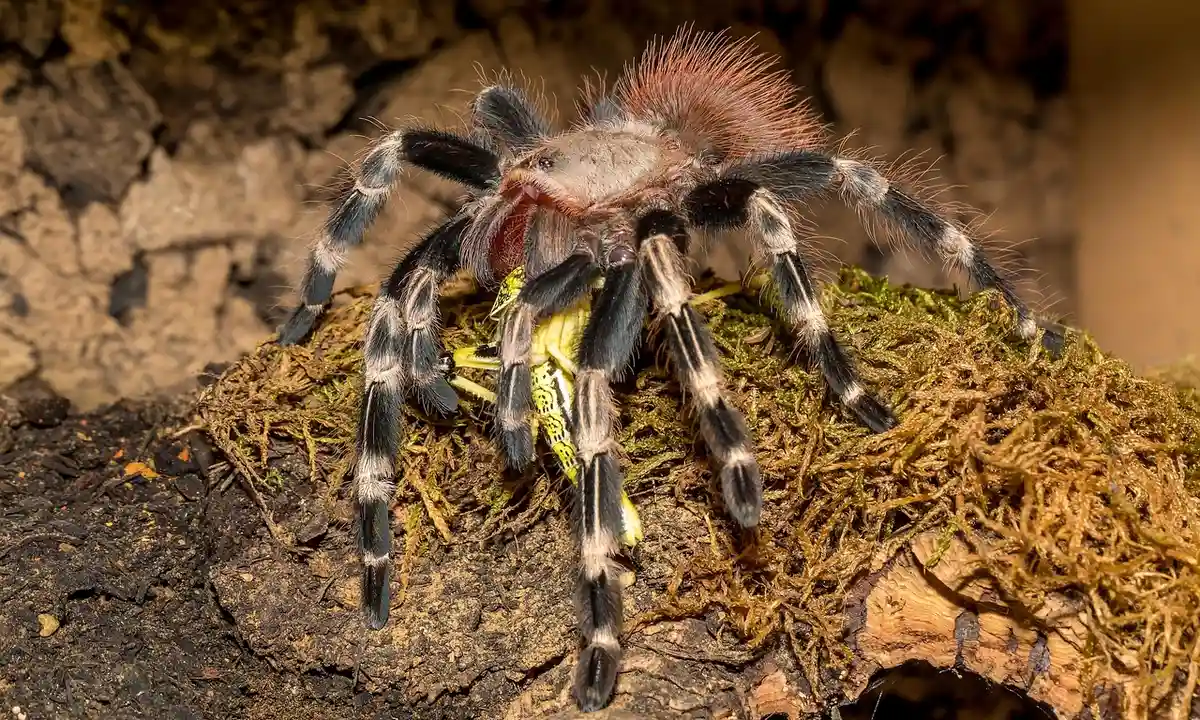
Immediate Steps and Careful Observation
Spotting a potential impaction requires a methodical, calm response. Sudden panic or invasive actions will only amplify the tarantula’s stress, potentially worsening its condition. I recall the tense silence in my spider room when Goliath, my T. stirmi, once presented with a worryingly distended abdomen after a large meal. Additionally, learning to read your tarantula’s body language—watching for stress cues and defensive signs—lets you respond calmly, rather than reacting impulsively. Subtle indicators like leg movements, posture, or a sudden retreat can guide your next steps.
Implement this numbered action plan without delay:
- Cease feeding immediately. Adding more prey creates further digestive backlog.
- Ensure fresh water is available. A clean, shallow dish is crucial for internal hydration.
- Gently adjust enclosure conditions to optimal humidity. For my moisture-loving Goliath, I carefully raise levels to 80-85% using a hand mister on the substrate away from her.
- Monitor the tarantula closely without disturbing it. Observe from outside the enclosure, noting any subtle leg movements or visits to the water dish.
Resist any urge to administer oils, warm soaks, or physical manipulation. These drastic measures are severe stressors and can cause fatal injury to a compromised tarantula. With my pet rock Rosie, her best recoveries came from stillness and perfect husbandry, not my interference. Handling animals, especially tarantulas, is risky and should be minimized during their recovery.
When and How to Seek Veterinary Care
If careful observation and condition adjustments yield no change after three days, or if the abdomen darkens or hardens, consider veterinary aid. A continued refusal to drink and profound, unbroken lethargy are your signals to escalate care.
Locating an exotic veterinarian with arachnid experience is a significant hurdle. Contact specialized clinics and ask pointed questions about their tarantula case history. A proficient vet may attempt gentle palpation or diagnostic imaging, but options are limited by the animal’s delicate physiology.
Potential treatments involve assisted fluid therapy or very careful enemas, yet outcomes are uncertain. Realistically, the goal of veterinary intervention is often supportive care, not a guaranteed reversal of the impaction. My years with species from defensive OBTs to docile rose hairs reinforce that meticulous prevention is the only reliable strategy for long-term health.
Common Questions
Can a tarantula still get impacted even if I don’t see it eat substrate?
Yes, impaction can occur without visible substrate ingestion. The primary internal blockage often comes from the indigestible parts of oversized prey, like cricket exoskeletons, which can form a plug. Chronic dehydration is another major cause, as it dries waste into a hard mass inside the digestive tract. Furthermore, some internal issues or inherent weaknesses can slow digestion, leading to a blockage without any apparent external cause.
How can I tell the difference between impaction and a normal pre-molt fasting period?
Key differentiating factors include the tarantula’s abdomen appearance and additional behaviors. In a healthy pre-molt, the abdomen will be large, dark, and shiny, but the tarantula is usually alert and may still drink water. With impaction, the abdomen often looks abnormally distended, pale, or tight, and is accompanied by severe lethargy and a refusal to drink. Observing multiple concurrent warning signs, rather than just a loss of appetite, points toward impaction.
I’ve read about a “death curl” online. Is that a sign of impaction?
The “death curl” is a terminal posture where a tarantula’s legs curl underneath its body, indicating severe weakness or imminent death from any critical illness. While advanced impaction can lead to this state, the death curl itself is not a specific sign of impaction. It is a general sign of systemic failure, meaning the underlying cause could be impaction, severe dehydration, injury, or another fatal condition. In-depth tarantula care guides explain this death curl as the final posture, highlighting its significance and the need for prompt assessment and care.
My tarantula has a swollen abdomen but is still drinking. Could it be impaction?
It is less likely to be an advanced impaction if the tarantula is actively and consistently drinking, as dehydration is a core component of the condition. However, a swollen abdomen from other causes, such as a fluid-filled cyst (a condition often mistaken for impaction) or an internal infection, is possible. You should still monitor closely for other signs like prolonged appetite loss, absence of waste, and any changes in its drinking behavior. To tell if your tarantula is dehydrated, look for a dry, shriveled abdomen and reduced activity in addition to changes in drinking. If dehydration is suspected, ensure proper hydration and humidity, and consult a vet if signs persist.
On forums like Reddit, keepers mention “wet” or “leaking” abdomens. Is this related?
A leak or wet spot on the abdomen is typically *not* a direct sign of impaction. It is usually a symptom of a separate, critical condition called a ruptured abdomen. This can be caused by a fall, underlying infection, or extreme internal pressure from conditions like a massive fluid cyst. While internal pressure from severe impaction could theoretically contribute, a leak indicates a breach in the exoskeleton and constitutes a veterinary emergency distinct from a digestive blockage.
Is it ever “too late” to help a tarantula with impaction?
Unfortunately, yes. By the time a tarantula shows obvious, severe physical signs like an extremely hardened, dark abdomen or complete paralysis, the internal damage and physiological stress are often irreversible. Interventions at this late stage are highly stressful and unlikely to succeed. This is why the emphasis is always on vigilant prevention and recognizing the earliest subtle behavioral warnings, such as unusual lethargy and refusing food *and* water, to have any chance of aiding recovery.
A Life Well-Lived
The single most effective defense against impaction is providing a moisture gradient in the substrate, allowing your tarantula to choose its perfect hydration spot. A corner slightly damp to the touch gives them agency over their own physiology, a fundamental need we must respect. Just make sure to use the right substrate for your tarantula to keep it healthy and comfortable.
Watch your tarantula. Learn the quiet rhythm of its life-the methodical patting-down of webbing, the slow excavation of a burrow, the patient ambush from a silken tunnel. Our role is not to intervene, but to provide the silent, stable stage. Patience is your greatest tool, revealing the tiny, fascinating world happening right in front of you.
Further Reading & Sources
- Tarantula impaction, what causes it and what can we do to prevent it | Arachnoboards
- r/tarantulas on Reddit: Signs of Impaction?
- reducing impaction | Tarantula Forum
Arlo is a lifelong arachnid enthusiast who believes tarantulas are the world’s most misunderstood roommates. With years of hands-on experience in tarantula care, habitat setup, and species behavior, Arlo combines expert knowledge with a dash of humor to make spider ownership less scary and a lot more fascinating. From choosing the right enclosure to understanding why your eight-legged buddy is doing that weird little pose again, Arlo is here to help you become the best tarantula parent you can be, without getting tangled in the web of misinformation.
Common Diseases